

دليلك الأساسي لاستخدام غرفة الأكسجين عالي الضغط في المنزل بشكل آمن

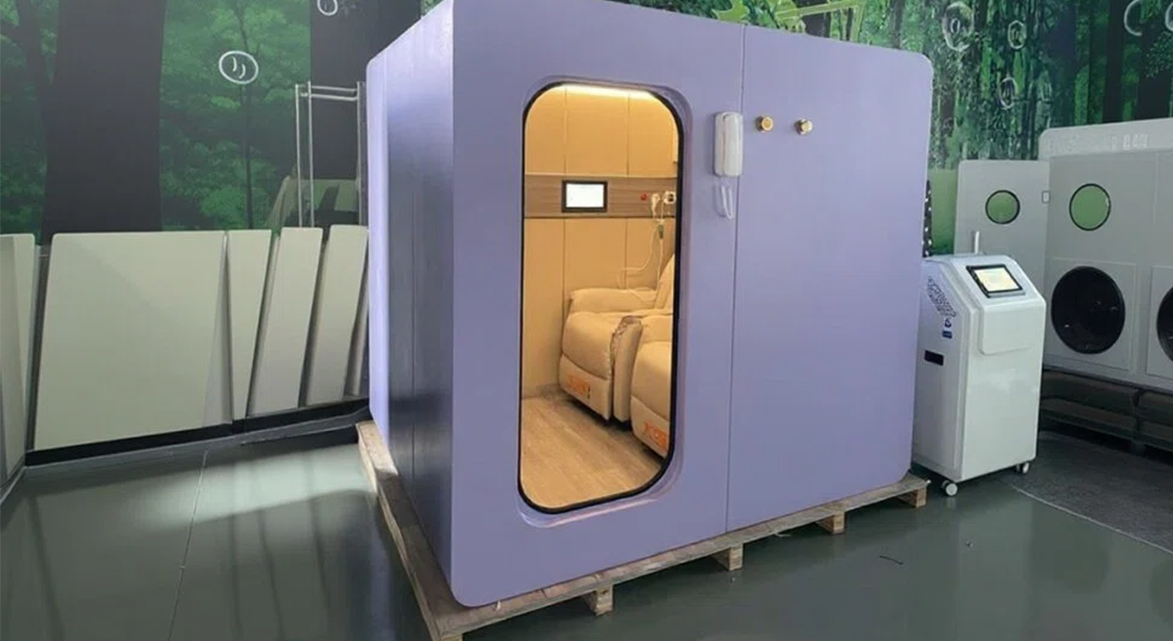
يمثل ظهور غرف الأكسجين عالي الضغط في المنزل تحولًا كبيرًا في الصحة الشخصية, جلب التعافي من الدرجة المهنية وتحسين الصحة مباشرة إلى المنزل. في حين أن الفوائد – بدءًا من الشفاء السريع وتقليل الالتهاب إلى زيادة الطاقة والوظيفة الإدراكية – مقنعة, ويجب إيلاء أهمية قصوى للتشغيل الآمن. يوضح هذا الدليل الشامل الخطوات الحاسمة والمعرفة اللازمة لضمان أن تكون كل جلسة في غرفة الضغط العالي بمنزلك فعالة وآمنة.
فهم غرفتك والعلاج
العلاج بالأكسجين عالي الضغط (إتش بوت) ينطوي على تنفس مستويات متزايدة من الأكسجين في بيئة مضغوطة (عادة 1.3 ل 2.0 ATA للاستخدام المنزلي). تعمل هذه العملية على تشبع بلازما الدم بالأكسجين, تعزيز الإصلاح الخلوي, تقليل التورم, وتحفيز عمليات الشفاء.
التمييز الرئيسي: هارد شل مقابل. غرف ذات قشرة ناعمة
الغرف المنزلية تأتي في المقام الأول في نوعين:
-
غرف هارد شل: مصنوعة من مواد صلبة مثل الأكريليك أو الفولاذ, يمكنهم تحمل ضغوط أعلى, تقديم تجربة سريرية أكثر, وتتطلب عمومًا تركيبًا احترافيًا.
-
غرف ذات قشرة ناعمة: مصنوعة من مادة مرنة, مواد متينة, فهي أكثر بأسعار معقولة, محمول, وسهل الاستخدام للضغط الخفيف, مناسبة للصحة العامة والانتعاش.
فهم نموذج الغرفة المحدد الخاص بك - حدود ضغطه, نظام توصيل الأكسجين (الهواء المحيط مقابل. الأكسجين النقي), وآليات التحكم - هي الخطوة التأسيسية للسلامة.
ركائز التشغيل الآمن: إطار خطوة بخطوة
السلامة ليست خطوة واحدة بل هي ممارسة مستمرة. اتبع هذا الإطار من قبل, خلال, وبعد كل جلسة.
1. التحضير قبل الجلسة: فحص السلامة
-
استشر طبيبك: قبل البدء في استخدام HBOT, خاصة إذا كان لديك شروط موجودة مسبقًا (على سبيل المثال, مشاكل في الجهاز التنفسي, مشاكل الأذن/الجيوب الأنفية غير المعالجة, أنواع معينة من أمراض الرئة, أو حامل), الحصول على تصريح طبي.
-
تفقد الغرفة: تحقق بصريًا من سحاب الغرفة, طبقات, منافذ العرض, وخراطيم الهواء لأي علامات تآكل, يٌقطِّع, أو الضرر. تأكد من أن جميع الاتصالات آمنة.
-
إعداد البيئة الخاصة بك: إعداد الغرفة في مكان نظيف, منطقة جيدة التهوية بعيدا عن مصادر الحرارة المباشرة, النيران المفتوحة, أو الشرر. قم بإزالة جميع الأشياء القابلة للاشتعال (الولاعات, المنتجات القائمة على الكحول) والمواد المولدة للكهرباء الساكنة (الأقمشة الاصطناعية, سجاد) من المنطقة المجاورة.
-
جهز نفسك: يرتدي 100% الملابس القطنية لتقليل المخاطر الساكنة. إزالة جميع المستحضرات, زيوت, أو العطور. لا تستخدم الغرفة تحت تأثير الكحول أو المهدئات. تأكد من أنك رطب جيدًا.
2. خلال الجلسة: المراقبة والآداب
-
اتبع الدليل: التزم بدقة بإعدادات الضغط الموصى بها من قبل الشركة المصنعة ومدة الجلسة لنموذج الغرفة الخاص بك. لا تتجاوز هذه الحدود.
-
ممارسة المعادلة: مع زيادة الضغط, قم بموازنة الضغط في أذنيك وجيوبك بلطف, كما تفعل عند الطيران أو الغوص, عن طريق البلع, التثاؤب, أو باستخدام مناورة فالسالفا.
-
استمع إلى جسدك: يعد الضغط الخفيف أو الامتلاء في الأذن أمرًا طبيعيًا. لكن, إذا كنت تعاني من ألم حاد في الأذن, دوخة, ضيق في التنفس, أو اضطرابات بصرية, بدء بطيئة, التحكم في الضغط والخروج من الغرفة.
-
الحفاظ على التواصل: في حالة استخدام غرفة بها منفذ اتصال, احتفظ بهاتف أو جهاز اتصال داخلي في مكان قريب. أبلغ أحد أفراد أسرتك عندما تبدأ الجلسة.
3. ما بعد الجلسة والصيانة: ضمان السلامة على المدى الطويل
-
الخروج التدريجي: اسمح للغرفة بخفض الضغط تمامًا بالمعدل المحدد قبل فك الضغط والخروج على عجل.
-
نظافة: امسح الجزء الداخلي بلطف, - مطهر غير قابل للاشتعال بعد كل استخدام لمنع نمو الميكروبات. حافظ على جفاف الغرفة عند عدم استخدامها.
-
الصيانة المجدولة: اتبع بدقة جدول الصيانة الخاص بالشركة المصنعة للمرشحات, الأختام, والأجزاء الميكانيكية. احتفظ بسجل لجميع أنشطة الصيانة.
ميزات السلامة الهامة التي يجب البحث عنها
عند اختيار الغرفة, إعطاء الأولوية للنماذج من الشركات المصنعة ذات السمعة الطيبة مثل GIHOMO التي تتضمن ميزات السلامة غير القابلة للتفاوض:
-
صمام تخفيف الضغط التلقائي: يمنع الضغط الزائد.
-
مراقب الأكسجين المستمر: يضمن بقاء مستويات الأكسجين ضمن نطاق آمن.
-
مؤقتات مدمجة وأجهزة قياس الضغط: للتحكم الدقيق بالجلسة.
-
خفض الضغط السريع في حالات الطوارئ: يسمح بالخروج الفوري إذا لزم الأمر.
-
مواد مقاومة للحريق: أمر بالغ الأهمية لإدارة أي خطر اشتعال محتمل.
خاتمة: التمكين من خلال المعرفة
تعتبر غرفة الأكسجين عالي الضغط المنزلية أداة قوية للصحة الاستباقية. يتم فتح إمكاناتها الكاملة ليس فقط من خلال الاستخدام المنتظم, ولكن من خلال الالتزام المنضبط ببروتوكولات السلامة. من خلال فهم المعدات الخاصة بك, التحضير بدقة لكل جلسة, والالتزام بإجراءات الصيانة الصارمة, يمكنك تحويل غرفتك إلى حجر الزاوية الموثوق به لنظامك الصحي.
استثمر في السلامة كما تستثمر في صحتك. للغرف المصممة مع سلامة المستخدم كأولوية قصوى, استكشف مجموعة حلول الضغط العالي المنزلية من GIHOMO, مصممة لتوفير راحة البال إلى جانب الفوائد العلاجية.
الأسئلة الشائعة التي تركز على السلامة
س: من الذي لا ينبغي له استخدام غرفة الضغط العالي المنزلية دون موافقة صريحة من الطبيب?
أ: الأفراد الذين يعانون من استرواح الصدر غير المعالج (الرئة المنهارة), أنواع معينة من مرض الانسداد الرئوي المزمن, التهابات الأذن / الجيوب الأنفية, جراحة الأذن الأخيرة, ارتفاع درجة الحرارة, أو تاريخ من النوبات يجب استشارة الطبيب قبل الاستخدام.
س: كم مرة يكون استخدام الغرفة المنزلية آمنًا؟?
أ: يعتمد التردد على أهدافك ونوع الغرفة. للصحة العامة, جلسات 3-5 مرات في الأسبوع شائعة. ابدأ دائمًا بتوصية الشركة المصنعة ومقدم الرعاية الصحية الخاص بك - فالمزيد ليس دائمًا أفضل.
س: هل يمكن للأطفال استخدام غرفة الضغط العالي المنزلية؟?
أ: فقط تحت المباشر, إشراف طبي متخصص مع غرفة تم تقييمها خصيصًا لاستخدام الأطفال. هذه ليست توصية عامة للاستخدام المنزلي دون توجيهات متخصصة.